Aquatic plant fertilizers play a pivotal role in enhancing the growth of aquatic plants, thereby contributing to the overall health of aquatic ecosystems. These fertilizers, specially formulated to meet the unique requirements of submerged plants, provide essential nutrients that promote robust growth, improve water quality, and support diverse aquatic life. By harnessing the power of aquatic plant fertilizers, we can boost plant growth and ecosystem health in several significant ways.
Importance of Aquatic Plants
Aquatic plants are essential to the health of aquatic ecosystems. They provide habitat and food for fish, invertebrates, and other wildlife. Additionally, they help to stabilize sediments, prevent erosion, and improve water quality by absorbing nutrients and pollutants from the water. Healthy aquatic plant populations can reduce algal blooms by competing for nutrients and providing shade, which lowers water temperatures and limits algae growth.
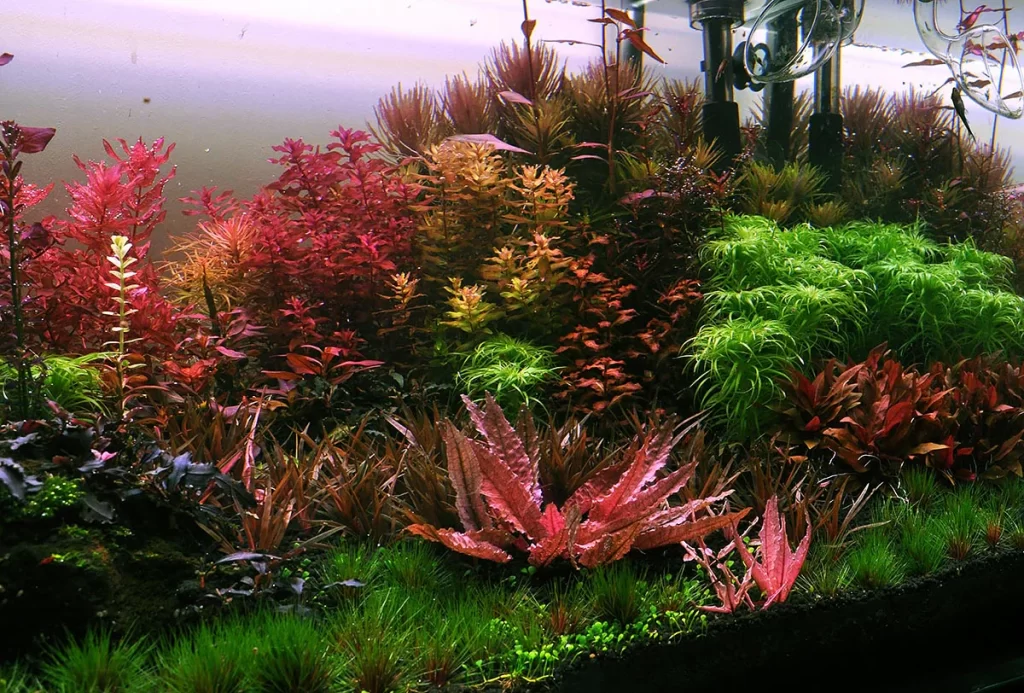
Essential Nutrients for Aquatic Plants
Aquatic plants require a variety of nutrients to thrive, including macronutrients like nitrogen N, phosphorus P, and potassium K, as well as micronutrients such as iron Fe, manganese Mn, and zinc Zn. In natural settings, these nutrients can be limited, leading to stunted growth and reduced plant health. Aquatic plant fertilizers are designed to supply these essential nutrients in forms that are readily available to plants, ensuring they can grow vigorously and contribute to a balanced ecosystem.
Types of Aquatic Plant Fertilizers
The aquatic plant fertilisers come in several forms, including liquid, granular, and tablet formulations. Liquid fertilizers are quickly absorbed by plants and are ideal for providing a rapid nutrient boost. Granular and tablet fertilizers, on the other hand, release nutrients slowly over time, offering a more sustained nutrient supply. This slow-release feature is particularly beneficial in maintaining consistent growth and reducing the risk of nutrient runoff, which can lead to water pollution and algal blooms.
Application and Benefits
One of the primary benefits of using aquatic plant fertilizers is the promotion of vigorous plant growth. Healthy plants can outcompete algae for nutrients, reducing the likelihood of algal blooms that can harm aquatic ecosystems. Furthermore, dense plant growth provides shelter and breeding grounds for fish and invertebrates, enhancing biodiversity. Aquatic plant fertilizers also play a role in improving water quality. Plants absorb excess nutrients from the water, such as nitrates and phosphates, which can otherwise contribute to eutrophication.
Environmental Considerations
While aquatic plant fertilizers offer numerous benefits, it is essential to use them responsibly to avoid negative environmental impacts. Over-fertilization can lead to nutrient runoff, which can cause water pollution and harm non-target plant and animal species. It is important to follow recommended application guidelines and consider integrating organic or eco-friendly fertilizers that minimize environmental risks.
Harnessing the power of aquarium plant fertilisers is a key strategy for boosting plant growth and enhancing ecosystem health. By providing essential nutrients in a form that is accessible to plants, these fertilizers support robust plant growth, improve water quality, and promote biodiversity. Responsible use of aquatic plant fertilizers can lead to healthier, more resilient aquatic ecosystems that benefit both human and wildlife populations. Through careful management and sustainable practices, we can ensure that aquatic plant fertilizers contribute positively to the health and vitality of our water environments.