When checking for damage from storms or hail, roofing contractors look closely at your roof. They search for shingles that are missing, broken, or have curled up.
They also look for any signs of water damage and check if there are any structural issues. By doing a detailed check, they can figure out how much damage has happened.
Visual Inspection of Roof
When you check your roof after a storm or hail in Paramus, it’s crucial to inspect the condition of your shingles closely. Look for signs such as missing, broken, or curling shingles, as these can indicate potential damage. If you notice any of these issues, it may be time to reach out to reputable roofing contractors in Paramus who can assess the situation and provide the necessary repairs to protect your home from further damage.
Make sure to inspect the gutters as well; if you find a lot of granules from the shingles, it might mean your roof is wearing out. Also, look for water stains on your house’s ceiling or walls, as these could suggest your roof is leaking.
For a more thorough assessment, think about getting a professional to inspect the roof. A roofing contractor can give a detailed report on the roof’s condition and uncover any issues that aren’t obvious from just looking. Getting a professional roof inspection is crucial for accurately finding out the damage from storms or hail. With expert advice, you can decide better about fixing or replacing your roof.
Documenting Damaged Areas
When you’re documenting areas damaged, remember to document the visual inspection process carefully.
It’s important to take photos as evidence to support what you find and your evaluations.
This documentation is very important for accurate evaluation of the damage caused by storm or hail on the roof.
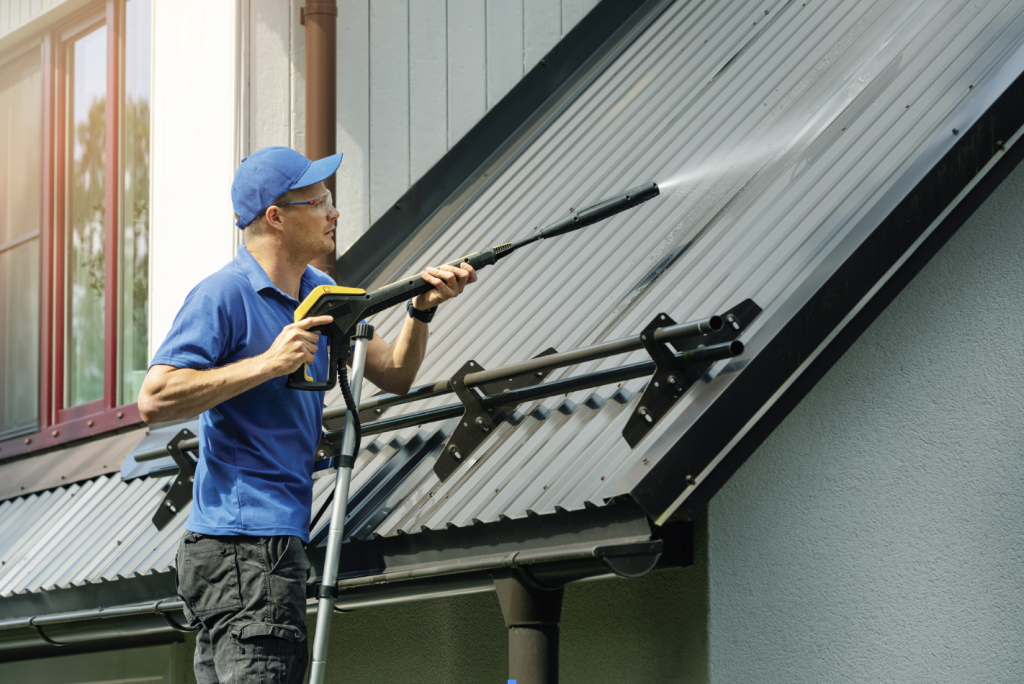
Visual Inspection Process
Begin by closely checking the roof for any damage caused by storms or hail. Here is the way to do it:
- Examine Roofing Materials: Search for any signs of harm like missing shingles, dents on metal surfaces, or cracks in the tiles.
- Inspect for Water Leaks: Look for any water marks on the ceilings or walls inside your house. This could mean the roof isn’t fully protecting your home.
- Record Damaged Spots: Write down every detail about the damaged spots, noting what kind of damage you see and exactly where it is.
- Focus on Safety: Always remember safety first. Wear the right safety gear and be very careful when you need to climb up on the roof to check it.
Photo Evidence Collection
After checking the roof carefully for any damage from the storm or hail, it’s important to take photos of the damaged spots. To properly evaluate the damage, you need clear and detailed pictures that prove what you find.
Start by taking general photos of the whole roof to show the context. Then, zoom in on specific damaged spots like missing shingles, dents, or cracks. Make sure each photo is bright enough and clearly shows how bad the damage is.
Close-up photos are very helpful to show just how serious the damage is. Remember, documenting the damage accurately is very important for evaluating the damage correctly and for any repair or insurance claims later.
Checking for Water Infiltration
It’s very important to check for water infiltration to find any unseen damages. When you check your property, look around for any water marks, paint that’s peeling off, or signs of mold. These signs can tell you where water might be entering.
Make sure to use techniques that help you look inside your property to spot these issues.
Water Damage Signs
To spot signs of water damage from water infiltration, inspect your home’s ceilings and walls closely. You should look for any unusual marks or changes. Here’s what you need to keep an eye on:
- Water Stains: Search for stains that might appear yellow, brown, or copper-colored on the ceilings and walls.
- Peeling or Bubbling Paint: Observe if the paint is peeling, bubbling, or flaking anywhere.
- Musty Odors: Notice any musty or moldy smells; they could suggest there’s moisture hidden somewhere.
- Soft or Sagging Drywall: Try pressing gently on the walls to see if they feel soft or appear to sag, which indicates possible water damage.
These steps will help you identify if there’s an issue that needs attention.
Interior Inspection Techniques
To find water coming into your home, look carefully at the inside surfaces for any signs of damage or moisture that might show there’s a leak. Begin with the ceilings and walls, checking for water marks, changes in color, or paint that’s peeling off. These signs are key to spotting moisture problems.
Also, take a good look in the attic for any water leaks. Look for wet insulation, water marks on wooden parts or insulation, or mold growing. Use a flashlight to check dark corners and small spaces for mold or dark spots.
It’s very important to keep an eye on moisture to catch water infiltration early. This helps avoid more damage and stops mold from growing. A thorough check of the attic will help find where the leaks are coming from and what repairs you need to do quickly.
Assessing Structural Integrity
To ensure the roof is structurally sound, especially after a storm or hail, you should follow these steps:
- Look for Cracks and Gaps: It’s important to check for any visible cracks or gaps in the roofing material. These flaws can show that the roof’s strength might be compromised.
- Inspect for Sagging: Keep an eye out for parts of the roof that are sagging. This is often a warning sign that there’s serious damage affecting the roof’s ability to hold up.
- Examine the Roof Deck: You should look at the roof deck for signs of water damage. Things like soft spots or a change in color can weaken the roof’s structure.
- Check Support Structures: Make sure to inspect the support structures, such as rafters and trusses. Damage or shifting in these areas can impact the stability of the roof.
Taking these steps helps you understand the condition of your roof and address any issues promptly.